October 21, 2026
Uncategorized
Testosterone for Men and the Low T Question
Testosterone for men can affect energy, strength, libido and mood. Learn when symptoms merit a clinical assessment first and how…
Read more



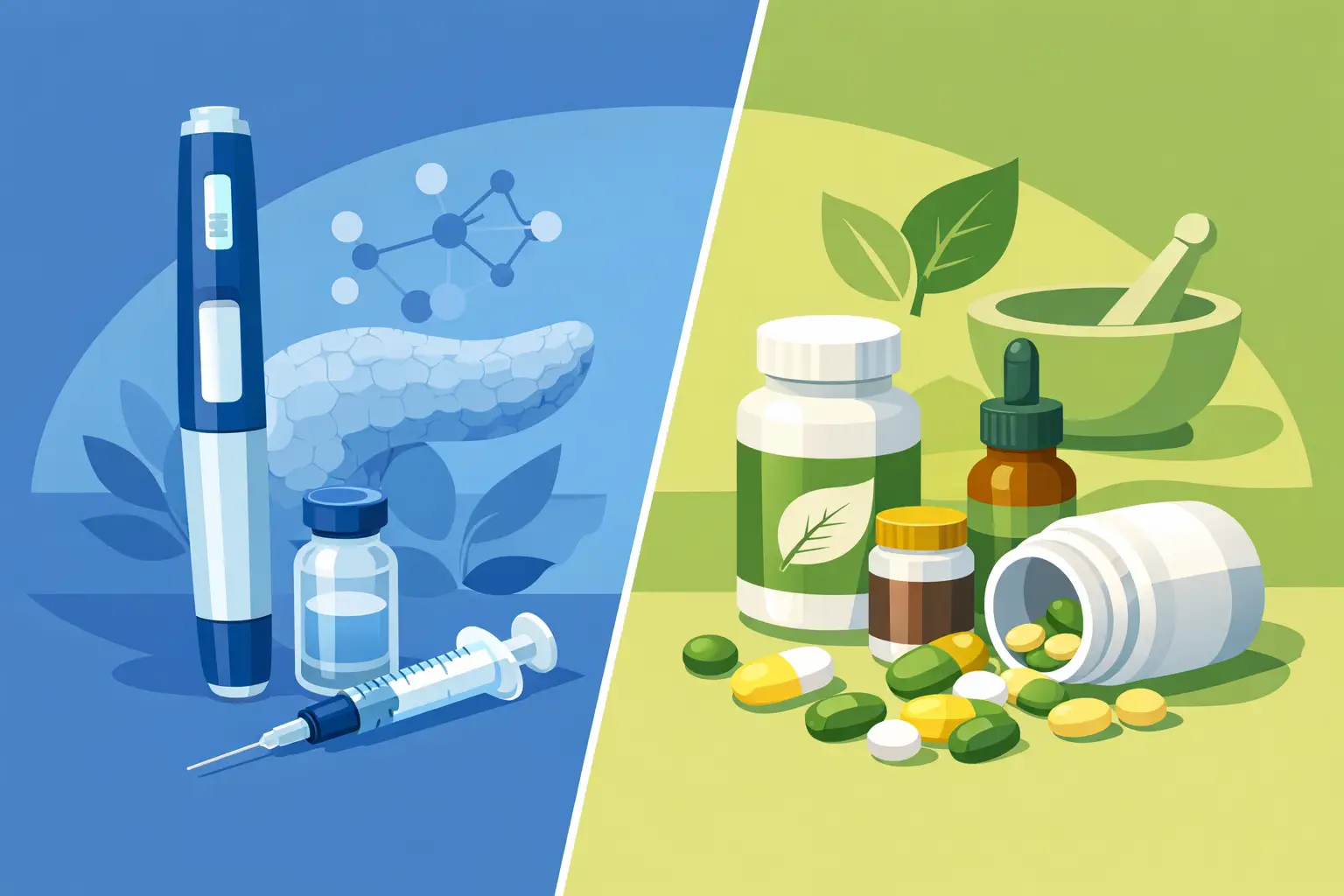
Most people comparing GLP-1 medication versus supplements are not looking for another quick fix. They want better appetite control, more consistent energy, improved body composition and a plan they can sustain without sacrificing training, recovery or health.
The confusion is understandable. Supplements are widely available, heavily marketed and often framed as natural alternatives to medical treatment. Prescription medicines that act on the GLP-1 pathway are discussed just as widely, sometimes with unrealistic expectations attached. These are not interchangeable options. They operate under different standards of evidence, regulation, monitoring and clinical responsibility.
The right question is not which option is “stronger”. It is which approach, if any, fits your health profile, goals, habits and level of clinical need.
Prescription medicines that act on the GLP-1 pathway are assessed by a qualified practitioner and used only when clinically appropriate. They influence physiological processes involved in appetite, fullness, gastric emptying and glucose regulation. Their effects, safety profile, contraindications and potential interactions require individual medical consideration.
Supplements are consumer wellness products. Some may support aspects of metabolic health indirectly, such as fibre intake, protein adequacy, micronutrient status, sleep quality or training recovery. But they are not a substitute for a prescribed medicine, and they should not be presented as having the same mechanism, evidence base or expected clinical effect.
That distinction matters. A supplement label can make a product sound highly technical while offering limited evidence that it changes meaningful outcomes in humans. A medicine, on the other hand, has a defined therapeutic purpose but is not automatically suitable simply because someone wants to reduce body fat or feels frustrated with their appetite.
Usually, they mean they want appetite control without medical treatment. That is a reasonable preference. For someone whose eating is mainly driven by irregular meals, low protein intake, poor sleep, stress or an overly restrictive diet, a better nutrition and recovery strategy may produce meaningful change without adding another product.
The challenge is that “natural” does not mean effective, safe or appropriate for every person. Some products marketed for hunger, blood sugar or metabolism contain ingredients at unclear doses, combine multiple stimulants, or lean on preliminary research. Others may be harmless but unlikely to do much beyond what a higher-fibre diet, structured meals and adequate protein would achieve.
There are supplements with sensible roles. Fibre can help some people improve fullness and digestive regularity. Protein powder can be practical when food intake falls short. Correcting a genuine nutrient deficiency can support energy and general health. These are useful foundations, not replacements for clinical management where metabolic risk is higher or prior efforts have not been enough.
A claim can be technically true yet still not help you make a good decision. For example, a supplement may show a small change in appetite ratings in a short study, while offering no clear evidence of durable body-composition improvement. A medicine may have stronger clinical evidence, but it can also bring side effects, require review of medical history and demand changes to eating and training habits.
The quality of evidence matters too. Look for well-designed human studies, meaningful outcomes and realistic timeframes. Be cautious when the main proof is a testimonial, before-and-after image or a claim based on how an ingredient behaves in a laboratory.
For performance-minded people, the outcome is broader than the number on the scales. Preserving lean mass, maintaining training quality, meeting protein needs, managing fatigue and building habits that hold up during travel, deadlines and family life are all part of the equation. Rapid appetite suppression without a plan for nutrition can work against those priorities.
Supplements and prescription medicines carry different risks, but neither should be treated casually. Supplements can interact with other medicines, worsen gastrointestinal symptoms or create problems when several products are stacked without a clear reason. Proprietary blends make it harder to know what you are actually taking and in what quantity.
Prescription treatment requires more deliberate screening. A practitioner may consider your medical history, current medicines, metabolic markers, digestive health, family history, previous response to lifestyle measures and the reasons behind changes in weight or appetite. This is not administrative friction. It is how treatment decisions become safer and more useful.
Side effects also deserve an honest conversation. Some people experience gastrointestinal effects or find that changes in appetite make it harder to eat enough protein and nutrient-dense food. Others may not be suitable for a medicine in this category at all. A responsible plan anticipates these issues rather than treating them as an afterthought.
In Australia, prescription medicines are regulated differently from supplements for good reason. A clinician-led process provides assessment, documentation and follow-up. It also helps distinguish legitimate care from online marketing that promises dramatic outcomes with little discussion of suitability, risks or ongoing support.
If your main challenge is inconsistent routines, supplements may have a modest supporting role while you address the fundamentals. A person skipping breakfast, under-eating protein, relying on highly processed convenience food and sleeping five hours a night does not have a supplement deficiency.
Start with a realistic nutrition structure. Build meals around protein and minimally processed whole foods. Increase fibre gradually and drink enough water. Plan food around training rather than trying to out-supplement a poor recovery routine. Track patterns for several weeks, including hunger, energy, sleep, digestion and training performance, not just body weight.
This approach is particularly valuable if you are already relatively lean, have a short-term performance goal, or want to improve eating habits without adding medical complexity. It may also reveal a more specific issue worth discussing with a health professional, such as persistent fatigue, low mood, disrupted sleep or digestive symptoms.
Medical assessment may be worth considering when appetite feels persistently difficult to manage, metabolic health is a concern, body composition has not responded despite consistent habits, or weight changes are affecting mobility, confidence, energy or quality of life. The purpose is not to chase the fastest result. It is to understand what is driving the problem and consider evidence-based options in context.
A quality consultation should not reduce your health to a single metric. It should examine your goals, current routine, health history and capacity to follow a plan. It should also discuss what happens alongside any treatment: nutrition, resistance training, protein intake, sleep, monitoring and a strategy for maintaining progress.
For people who train regularly, this is especially relevant. Losing weight while losing strength, muscle and confidence in the gym is not an optimum outcome. The aim is a more capable body, not merely a smaller one.
Before purchasing a supplement or pursuing a medical option, ask what specific problem you are trying to solve. Is it hunger between meals, emotional eating, poor food planning, low activity, exhaustion, abnormal metabolic markers, or a combination? The answer guides the intervention.
Also ask what evidence supports the claim, what the realistic benefit is, what the risks are, and how progress will be monitored. If a provider or product cannot answer those questions plainly, step back. No black-market products, no vague ingredient claims and no shortcuts around proper clinical assessment.
Supplements can be useful tools, particularly when they help close a practical nutrition gap. Prescription medicines can be valuable clinical options for the right person. Neither replaces the foundations of metabolic health, and neither should be chosen on the strength of social media before-and-after photos.
The better path is precise: understand your biology, establish the habits that protect strength and recovery, and use professional guidance when the situation calls for it. Sustainable progress starts when the plan is built around your health, not the hype.

Testosterone for men can affect energy, strength, libido and mood. Learn when symptoms merit a clinical assessment first and how…
Read more
When does ED treatment work? Learn what affects response, why low testosterone matters, and when a doctor should investigate erectile…
Read more
Considering testosterone therapy? Learn how low testosterone is assessed, who may benefit, and why doctor-led monitoring matters for Australian men…
Read moreNo pressure. No commitment. Just clarity and next steps.
