October 21, 2026
Uncategorized
Testosterone for Men and the Low T Question
Testosterone for men can affect energy, strength, libido and mood. Learn when symptoms merit a clinical assessment first and how…
Read more


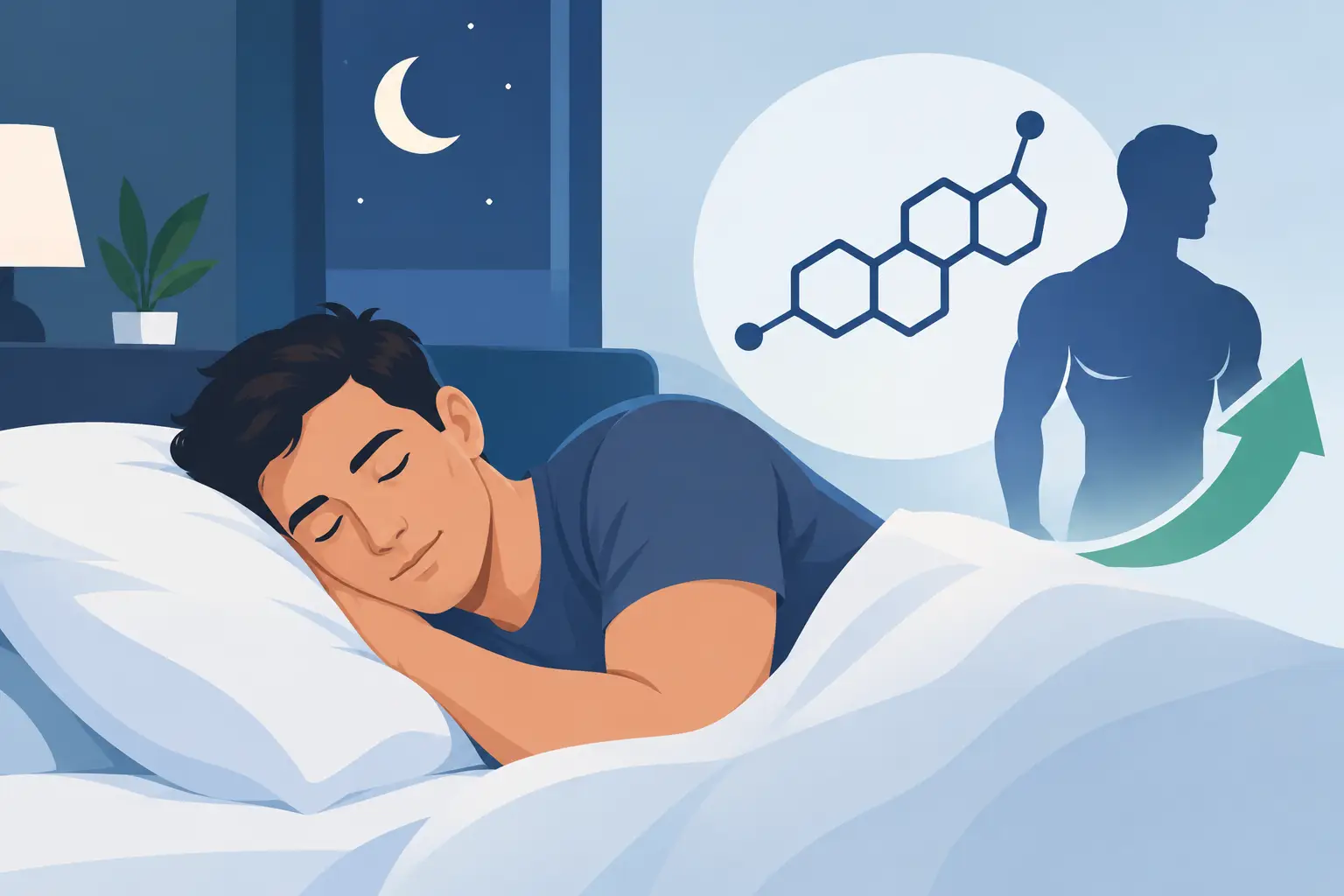
A hard training block, a disciplined meal plan and a well-built supplement routine can all be undermined by one overlooked variable: poor sleep. Can sleep affect testosterone? Yes. Sleep is closely tied to the body’s daily hormone rhythms, and repeatedly short or disrupted nights may reduce testosterone levels, blunt recovery and leave you feeling less like yourself.
That does not mean every rough week of sleep causes clinically low testosterone, or that better sleep alone will correct a genuine hormone deficiency. Testosterone is influenced by age, body composition, energy intake, illness, stress, medications, alcohol use and underlying health conditions. But sleep is one of the few major levers that many people can improve – and it deserves the same attention as training and nutrition.
Testosterone follows a daily pattern. Levels generally rise during sleep and are often highest in the morning, particularly after adequate, consolidated sleep. Deep sleep and REM sleep appear to play meaningful roles in that process. When sleep is cut short, fragmented or shifted out of rhythm for long enough, that normal pattern can be disrupted.
Research has associated restricted sleep with lower daytime testosterone in healthy men, especially where sleep loss is significant or sustained. The effect will vary between individuals. One late night before an early meeting is unlikely to transform your hormone profile. Chronic five-hour nights, rotating shifts, frequent waking, untreated sleep-disordered breathing or prolonged stress are a different proposition.
The practical consequence is broader than a number on a pathology report. Low-quality sleep can also reduce training output, increase appetite, impair glucose regulation, worsen mood and make soreness feel harder to recover from. These effects can compound the factors that influence hormonal health over time.
For women, testosterone is present at lower concentrations but remains relevant to libido, energy, muscle function and wellbeing. The relationship between sleep and female androgen levels is less straightforward and may be influenced by menstrual stage, perimenopause, menopause and other hormonal factors. Sleep still matters, but it should not be used to explain away persistent symptoms.
Sleep is not passive downtime. It is an active recovery period in which the brain, endocrine system and metabolic system coordinate repair and regulation. Testosterone is part of a wider hormonal environment, not an isolated dial you can turn up at will.
When sleep is consistently restricted, cortisol patterns may become less favourable, insulin sensitivity can decline and hunger signalling may become more difficult to manage. Poor sleep also makes it harder to train well and easier to skip the basics that support recovery: regular meals, movement, hydration and a stable routine.
Energy availability matters too. Someone combining aggressive dieting, high-volume training, work stress and limited sleep is putting several pressures on the same system. In that setting, low energy, lower libido, poor gym performance and a flatter mood may reflect the cumulative load rather than one single cause.
This is why chasing a single “testosterone booster” while ignoring sleep rarely delivers the outcome people want. Performance medicine works best when the foundations are examined alongside the blood results.
Many adults aim for seven to nine hours of sleep per night, though the right amount is individual. A person who spends eight hours in bed but wakes repeatedly may not receive the same recovery benefit as someone who sleeps soundly for seven and a half hours.
Warning signs of poor sleep quality include loud habitual snoring, witnessed pauses in breathing, waking with headaches, dry mouth, unrefreshing sleep and pronounced daytime sleepiness. These can be features of obstructive sleep apnoea, a condition that warrants proper medical assessment. It is particularly relevant in conversations about testosterone because sleep apnoea, body composition, fatigue and hormonal symptoms can overlap.
Treating fatigue as proof of low testosterone is a mistake. Fatigue is common and non-specific. It can stem from insufficient sleep, depression or anxiety, thyroid issues, iron deficiency, overtraining, alcohol, sleep apnoea and many other conditions. A careful clinician looks for the full picture.
Improving sleep may support healthier testosterone regulation, improve daytime energy and give your training programme a fairer chance to work. It can also improve the reliability of hormone testing. A blood test taken after an unusually poor night, during acute illness or after heavy alcohol intake may not reflect your usual baseline.
Better sleep is not a substitute for clinical care where there is a genuine hormonal disorder. It cannot guarantee a particular testosterone level, reverse every age-related change or replace treatment for an underlying medical condition. If symptoms are persistent, the goal is not to self-diagnose from a wearable score or a social media checklist. The goal is to identify what is driving them.
For men with confirmed testosterone deficiency and appropriate symptoms, testosterone replacement therapy may be considered by a qualified doctor after a thorough assessment. This usually involves more than one blood test, review of medical history, consideration of fertility goals and investigation of potential contributing conditions. Ongoing monitoring matters because therapy is not suitable for everyone and has potential risks, limitations and trade-offs.
Sleep remains relevant even when testosterone replacement therapy is clinically appropriate. Therapy does not replace recovery habits, address every cause of fatigue or remove the need to assess snoring and suspected sleep apnoea. The strongest plan is usually the one that deals with both the clinical diagnosis and the lifestyle factors affecting daily function.
The most effective sleep plan is usually boringly consistent. Start with a regular wake time most days, including weekends where practical. This anchors your body clock more reliably than simply trying to force an earlier bedtime.
Get outdoor light early in the day, train at a time that does not leave you too stimulated close to bed and create a clear wind-down period. For some people, late-night hard sessions are manageable. For others, they delay sleep onset and reduce sleep quality. Your response matters more than a rigid rule.
Caffeine is another common blind spot. Its effects can linger for hours, so an afternoon coffee that feels harmless may be contributing to a restless night. Alcohol can make you feel sleepy initially but often fragments sleep later in the night. If your sleep, recovery or libido have been off track, reducing late alcohol is a useful experiment.
Keep the bedroom cool, dark and quiet, and avoid bringing work, doom-scrolling or intense admin into bed. These are not glamorous interventions, but they are repeatable. Track your bedtime, wake time, alcohol intake, caffeine timing and subjective energy for two weeks. Patterns tend to become obvious when the data is simple and consistent.
A short period of poor sleep is common. Persistent symptoms deserve more attention, particularly if they are affecting training, work, relationships or confidence. Low libido, fewer spontaneous morning erections, reduced strength despite appropriate training, loss of muscle mass, ongoing fatigue, depressed mood and difficulty concentrating can justify a conversation with a doctor.
A quality assessment should not be reduced to one testosterone result. It should consider your symptoms, sleep, stress, training load, diet, alcohol use, medical history and relevant pathology. Timing and repeat testing are often important because testosterone naturally fluctuates.
Doctor-led care provides a more useful alternative to guessing or relying on unregulated products. At OptivHealth, clinical assessment is designed to help determine whether symptoms may relate to hormones, recovery, sleep or another factor requiring attention. The right next step is based on suitability and safety, not shortcuts.
If you are serious about reclaiming energy, strength, mood and drive, protect your sleep with the same intent you bring to your training. Then use a proper clinical assessment when the signs suggest there may be more to investigate.

Testosterone for men can affect energy, strength, libido and mood. Learn when symptoms merit a clinical assessment first and how…
Read more
When does ED treatment work? Learn what affects response, why low testosterone matters, and when a doctor should investigate erectile…
Read more
Considering testosterone therapy? Learn how low testosterone is assessed, who may benefit, and why doctor-led monitoring matters for Australian men…
Read moreNo pressure. No commitment. Just clarity and next steps.